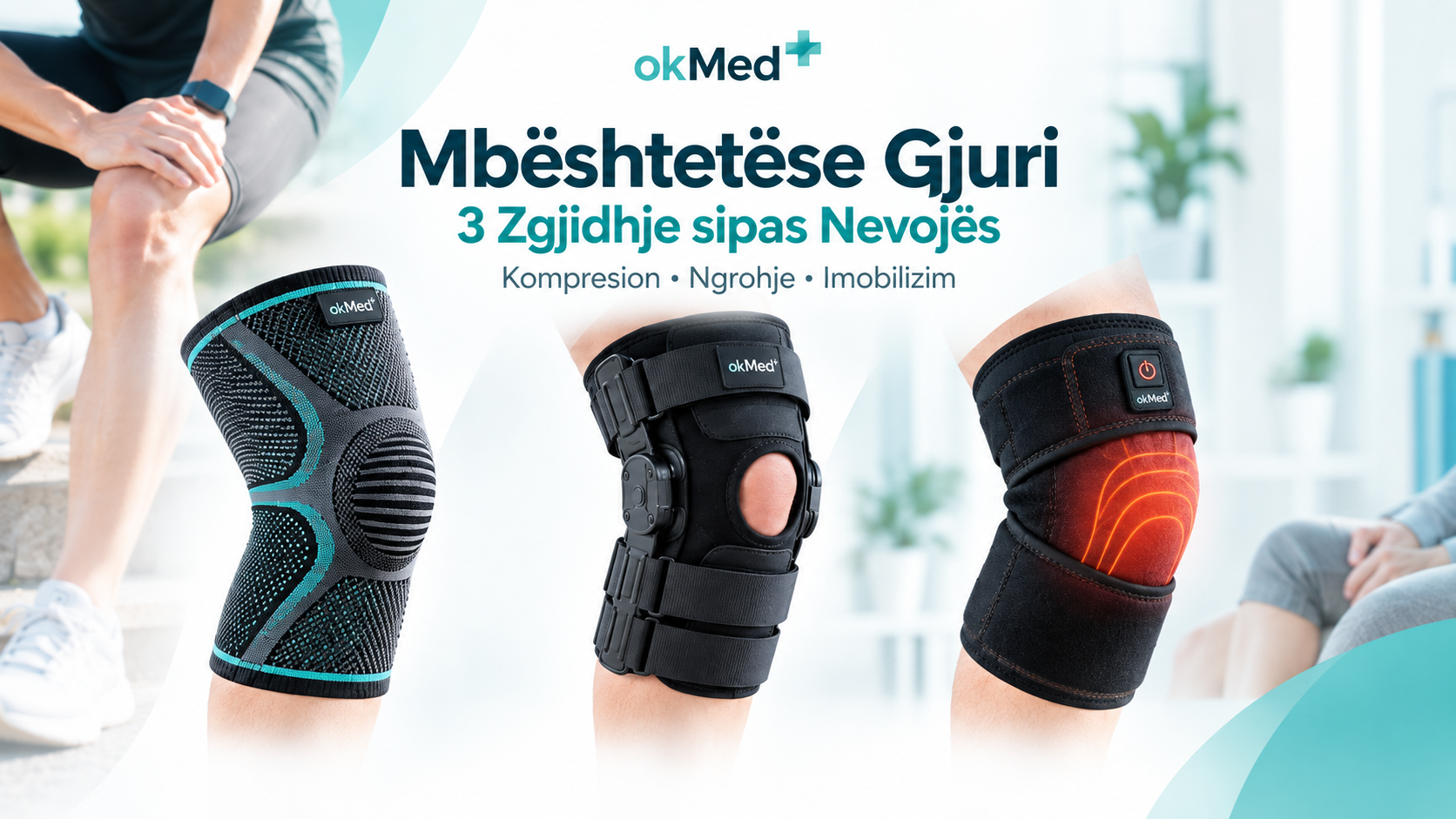
Knee pain is one of the most common complaints among adults — it can come from sports, aging, arthritis, or the recovery period after an injury or surgery. But not every knee support does the same job: some are designed for light daily use, others for full immobilization after a procedure, and others for therapeutic heat against chronic pain. In this article we look at 3 concrete models from okMed's catalog and when each one fits.
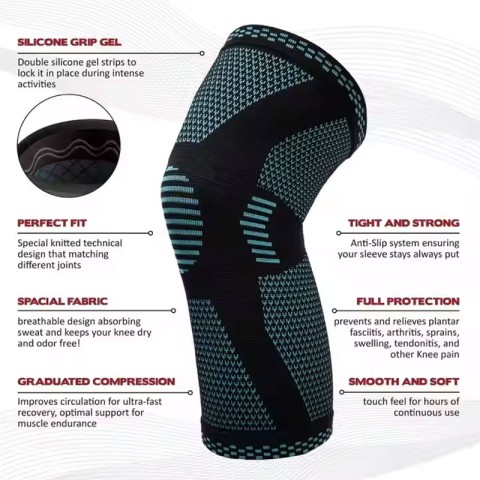
1. Elastic Compression Support — for Everyday Activity
This model is the first choice when pain is mild to moderate and linked to movement — sports, long walks, or standing for hours. The elastic material provides gentle compression that keeps the knee stable without limiting movement, while the anti-slip grip lining keeps it in place all day without bunching or shifting.
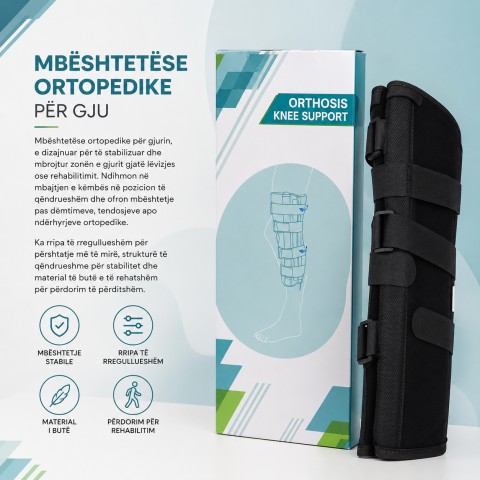
2. Rigid Orthopedic Support — After Injury or Surgery
When the knee needs real immobilization — after a surgical procedure, a fracture, or a more serious ligament injury — a rigid support is needed, not an elastic one. This model covers the thigh and lower leg, limiting movement just enough to allow proper healing, always following the recommendation of the doctor or physiotherapist managing the case.
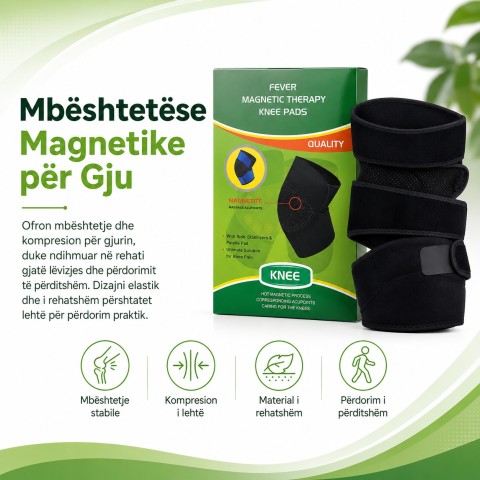
3. Heated Support — for Chronic Pain and Circulation
For people with arthritis, chronic knee pain, or poor blood circulation (very common among the elderly), continuous gentle heat makes a real difference in daily life. This model combines a heating function with light compression, easing morning stiffness and improving circulation, especially during the cold months.
Quick Summary — Which One to Choose
- Active, mild to moderate pain → Elastic compression support
- After surgery or a serious injury → Rigid orthopedic support
- Chronic pain, arthritis, or cold weather → Heated support
In no case do these supports replace a medical diagnosis — they are supportive tools that ease symptoms and speed up recovery when used in the right context.
Prepared by the okMed team, based on product specifications. For an accurate diagnosis and a safe choice for your specific condition, always consult your doctor or physiotherapist.