For back pain from work or long periods of standing, the usual choice is a lumbar support belt. For recovery after a shoulder or arm injury, a sling that immobilizes the arm. For the neck, the choice depends on severity: a rigid collar after trauma or surgery (only on medical advice), a soft collar for chronic pain or rehabilitation, and a heated neck support for muscle tension from computer work. Below we explain the 5 models one by one, plus the warning signs that mean you should see a doctor before buying anything.
The problem is extremely common. According to the World Health Organization (WHO), low back pain is the leading cause of disability worldwide and affected around 619 million people in 2020. Most cases are “non-specific”, meaning there is no single identifiable disease behind them, and they are often linked to posture, physical work or muscle fatigue. This is where a well-chosen support can make a real difference to everyday comfort.
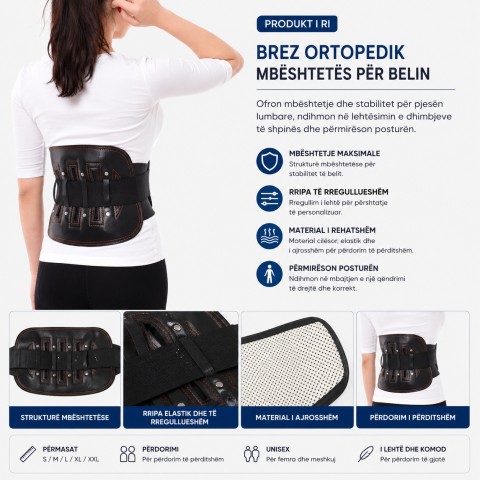
1. Lumbar Orthopedic Support — for Back Pain from Work and Standing
A lumbar belt supports the lower spine and helps maintain correct posture, reducing muscle strain when you stand for long periods or lift loads. Adjustable straps let you tighten it as needed, while the breathable material makes it wearable through a full work shift. It suits manual workers, caregivers who lift patients, or anyone who needs extra support during rehabilitation after a back injury.
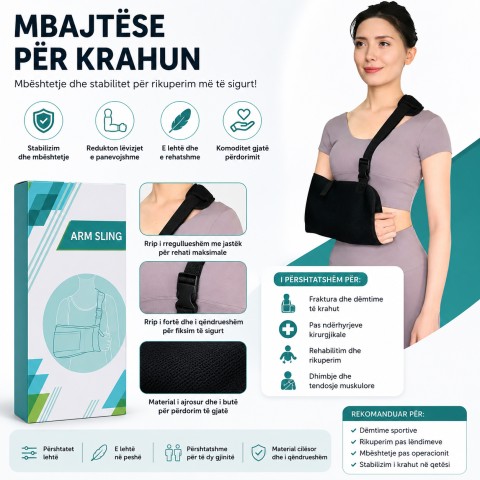
2. Orthopedic Arm and Shoulder Sling — for Recovery after Injury
After a fracture, sprain or surgery on the shoulder or arm, the tissues need the arm to stay still in the right position. This sling keeps the arm supported close to the body and reduces unnecessary movement that slows healing. The adjustable strap and ventilated material make it more comfortable during the weeks of recovery, when it is worn for most of the day.
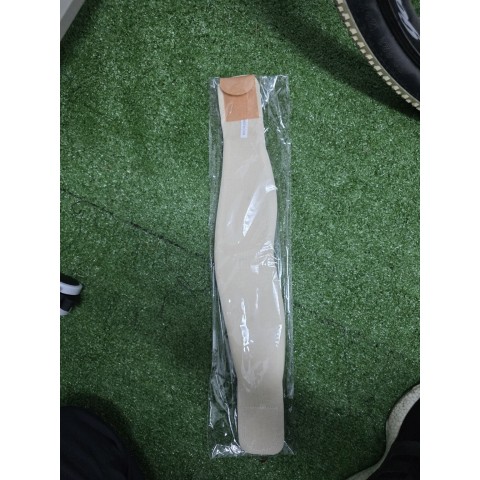
3. Rigid Cervical Collar — for Trauma, Accidents or Surgery
A rigid collar has a firm structure that almost completely limits neck movement. It is used after accidents, trauma or surgical procedures, when any wrong movement could worsen the injury. It is not a product for ordinary “neck pain”: it should only be worn when a doctor recommends it, and for as long as they advise.
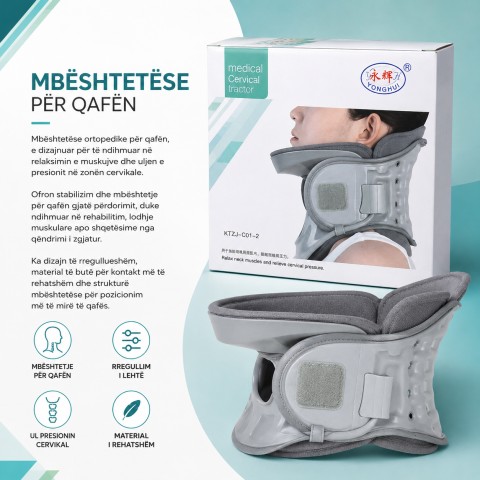
4. Soft Cervical Collar — for Chronic Pain and Rehabilitation
Unlike the rigid model, a soft collar does not immobilize the neck. It supports it with controlled pressure, helps the muscles relax and relieves pressure on the cervical area. It is used for recurring neck pain, minor injuries, or as an intermediate step when a doctor allows the rigid collar to come off and rehabilitation begins.
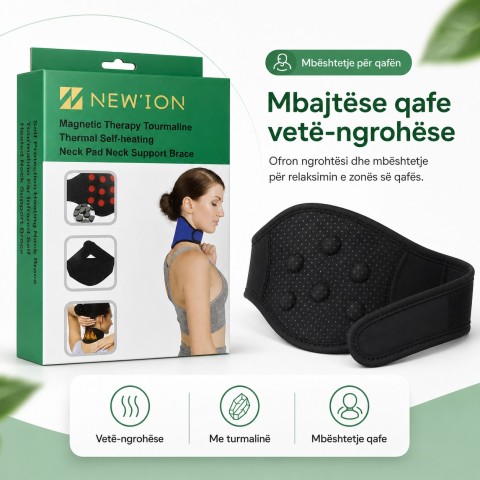
5. Heated Neck Support — for Tension from Computer and Office Work
A lot of neck pain simply comes from long hours with the head bent over a screen. This support combines light support with a self-heating system containing tourmaline elements. The warmth helps tense muscles loosen up after a long working day. It is light and soft, so it is easy to use at home, at the office or while resting.
Quick Summary — Which One to Choose
- Back pain from physical work or long standing → Lumbar support
- Fracture, sprain or surgery on the shoulder/arm → Arm and shoulder sling
- Neck trauma or surgery (on medical advice) → Rigid collar
- Chronic neck pain or rehabilitation → Soft collar
- Muscle tension from computer work → Heated neck support
When to See a Doctor Right Away
An orthopedic support relieves symptoms, but it does not replace a diagnosis. According to the NHS (the UK's public health service), the following signs need urgent medical assessment and should not be self-treated:
- Pain after a fall, accident or hard blow
- Numbness or weakness in the legs or arms
- Numbness around the buttocks or genitals, or loss of bladder/bowel control
- Pain together with a fever or unexplained weight loss
- Pain that does not improve after a few weeks, or gets worse at night
Frequently Asked Questions
How many hours a day can I wear a lumbar belt?
A lumbar belt is usually worn during activities that strain the back, such as physical work, lifting or standing for long periods, and taken off while resting and sleeping. Continuous use for months without guidance is not recommended, because the back muscles need to work on their own. For long-term use, ask your doctor or physiotherapist.
Can I sleep wearing a neck collar?
A rigid collar is often worn at night too when a doctor advises it after trauma or surgery. The soft collar and the heated neck support are mainly intended for daytime use.
What is the difference between a rigid and a soft collar?
A rigid collar immobilizes the neck and is used for serious injuries on medical advice. A soft collar supports and relaxes the muscles without blocking movement, so it is used for everyday pain and rehabilitation.
How do I choose the right size?
Measure your waist or neck circumference with a tailor's tape and compare it with the product's sizes. If in doubt, message us on WhatsApp from the product card and we will help you choose.
Prepared by the okMed team, based on product specifications and public information from the WHO and the NHS. For an accurate diagnosis and a safe choice for your specific condition, always consult a doctor or physiotherapist.