Why choosing the right electric hospital bed matters
Caring for a patient with limited mobility, at home or in a clinic, becomes much easier and safer with an electric hospital bed. Adjusting the back and leg sections with a button, instead of physical force, reduces the risk of injury for the caregiver and helps prevent bedsores in the patient. Below we compare four models, from the simplest to the most advanced.
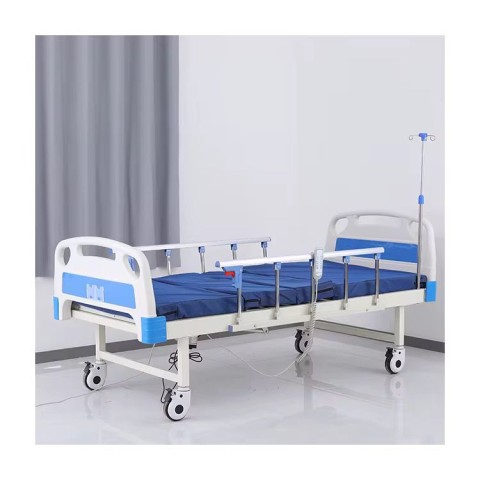
Electric Hospital Bed for Patients with 2 Motors
The base model with two electric motors for adjusting the back and leg sections, equipped with a mattress, protective side rails, brake wheels, and an IV pole holder. The metal frame supports up to 250 kg, making it an economical solution for homes, clinics, or care centres.
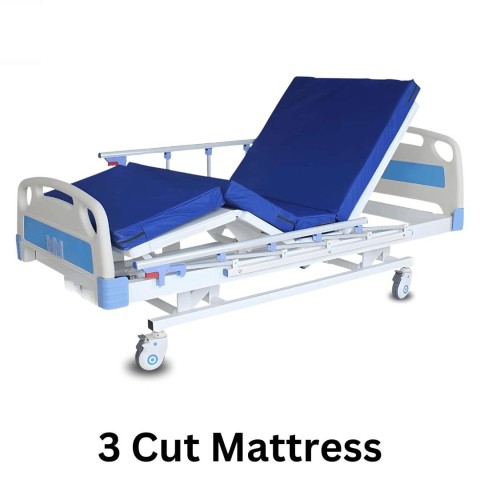
Electric Hospital Bed with 3 Motors and Mattress
This model adds a third motor for even finer control of the bed's height and angle, making it easier to position the patient without extra effort from the caregiver. It comes complete with a medical mattress and a sturdy frame that's easy to clean and maintain.
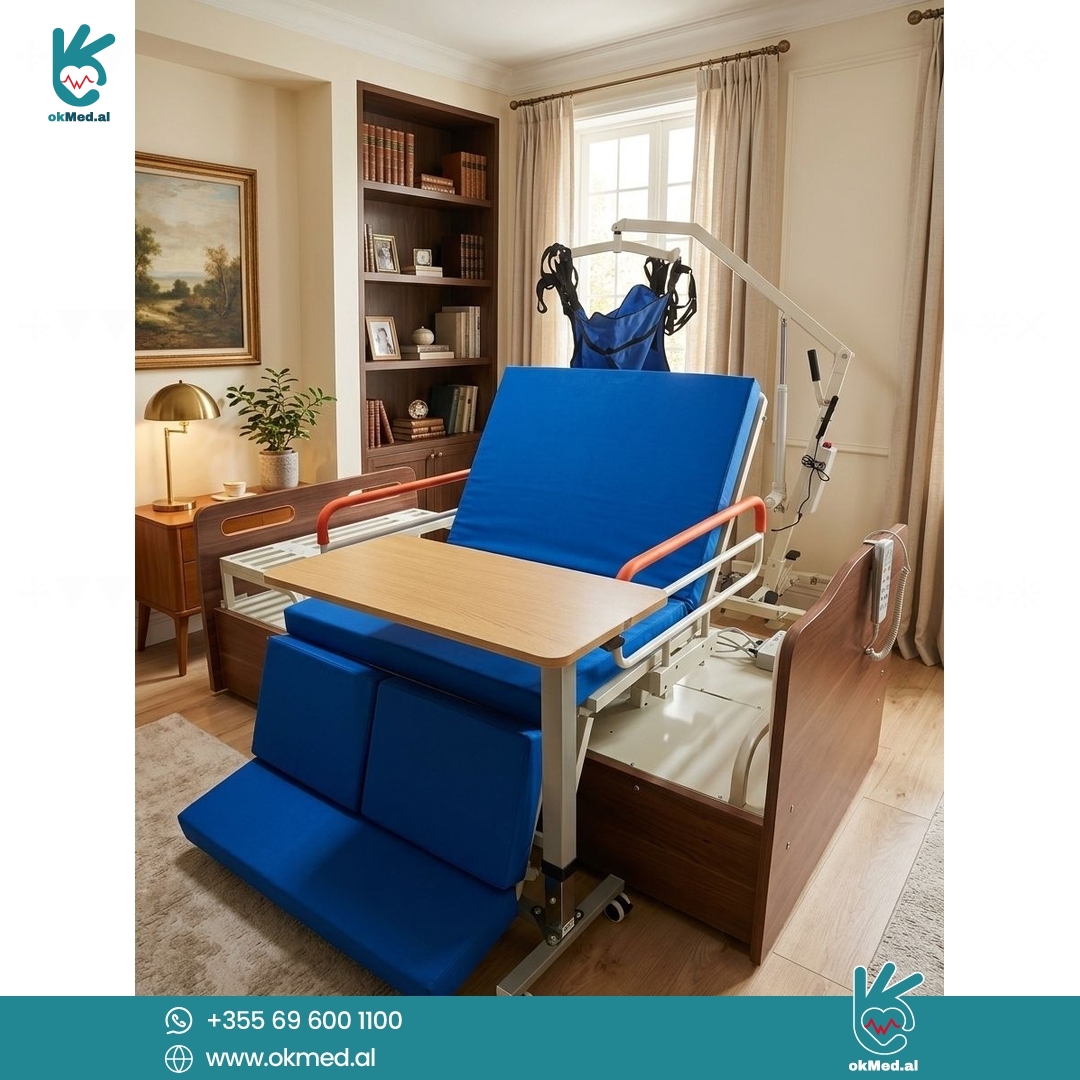
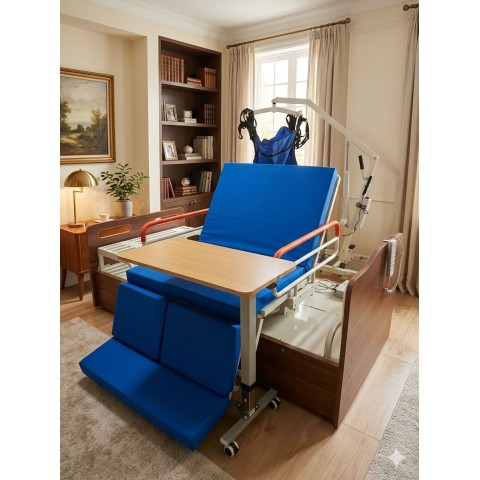
Electric Hospital Bed with 180° Rotation for Patients
The most advanced of the four: the upper section rotates 180° to turn the bed into a chair, while the integrated electric hoist with a support strap makes transferring the patient much safer. It also includes a rotating side table, protective rails, and individually locking wheels for stable movement.
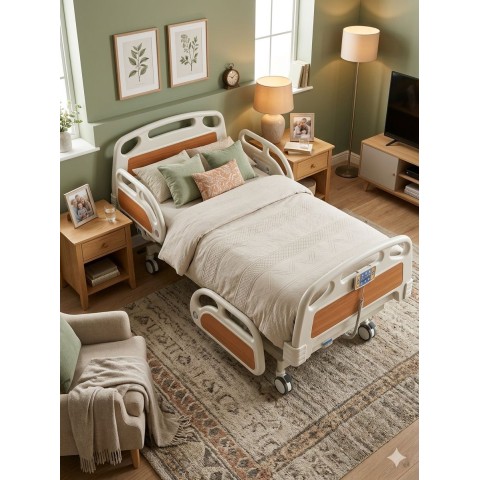
Electric Medical Bed with 2 Motors for Clinics and Hospitals
Similar in function to the base model, this bed is designed specifically for clinical and hospital settings: raising/lowering the back and legs with a single button, side rails, locking wheels, and the option of a side table and IV pole as extras.
How to choose the right model
If you're looking for a basic, economical solution, the 2-motor model is enough for most cases. If the caregiver needs finer control over positioning, the 3-motor model makes daily care easier. For patients who transfer often between bed and chair, the 180° rotation model with an integrated hoist is the safest choice. For clinical settings, the dedicated clinic/hospital model offers the right balance of functionality and long-term durability.